
Some of the best parts of homeschooling happen outside. Kids notice things they would miss indoors. They stop to compare leaves, collect interesting rocks, watch bugs move through the garden, and ask questions that lead somewhere unexpected. A garden can make space for that kind of learning without becoming one more big project on your list. With a few thoughtful touches, it can become a simple nature lab that feels inviting, useful, and easy to enjoy. River rock and gravel can help make that happen by creating structure, cutting down on mess, and making the space easier to use day after day.
Build a Rock Border for Garden Mapping and Observation
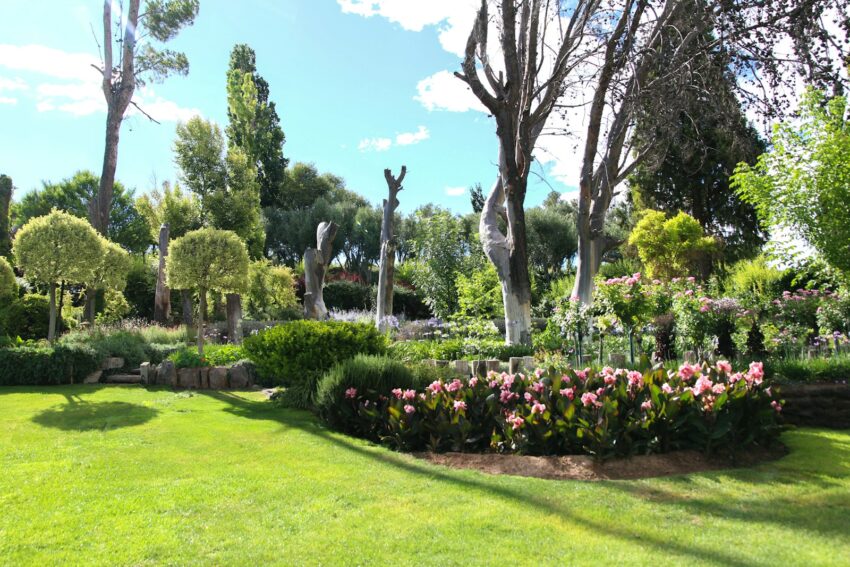
One easy way to make a homeschool garden feel more intentional is to give it some definition. A border of river rock around a planting bed, herb patch, or digging area helps kids see the space more clearly. It separates one part of the garden from another and gives the whole area a more settled feel.
That border can also become part of the learning. Kids can measure it, count stones, sketch the shape of the bed, or label different sections. Younger children can sort rocks by color, size, or texture. Older kids can use the space to track plant growth, jot down observations, or notice which insects show up over time.
It is a small detail, but it helps the garden feel easier to understand and easier to use.
Add Gravel Paths That Make the Garden Easier to Use
A homeschool garden gets used more when kids can move through it without much fuss. Gravel paths help create clear walkways between planting areas, observation spots, and little work zones. They also help cut down on mud after rain or watering, which makes the whole space feel more manageable.
Paths do more than keep shoes cleaner. They make it easier for kids to move from one activity to another without trampling beds or turning damp ground into the messiest part of the day. That can make a big difference when you want outdoor learning to feel simple instead of frustrating.
A Quick Note on Location
In places like western Maryland and southern Pennsylvania, families often want outdoor spaces that can handle changing weather and everyday foot traffic, and Everett, PA, fits naturally into that same pattern. That can make gravel delivery in Everett, PA a practical option when the goal is to build simple garden paths without adding extra hauling to the project.
In nearby parts of the Mid-Atlantic and Northeast, families may be dealing with similar muddy patches and worn-down walkways. In places like Texas or Arizona, the focus may be more on dry ground and low-maintenance coverage. In the Pacific Northwest, people may be thinking more about keeping outdoor areas usable through longer, damp seasons. The details may look different, but the idea is familiar in a lot of places: making the yard easier to use in everyday life.
Create a Pollinator Spot for Quiet Nature Study
A small pollinator area can turn an ordinary corner of the garden into one of the most interesting places to observe. A ring of river rock around flowers or herbs helps define the space and gives it a neat, finished look without much effort. It also helps kids recognize that this is a place to slow down and pay attention.
They can watch for bees and butterflies, notice which plants attract the most activity, sketch what they see, or keep a list of garden visitors. Spaces like this work especially well because kids often play, learn, and grow in a garden when they can come back to the same area again and again and notice what changes over time.
Even a very small spot can become a favorite part of the garden.
Build a Sensory Station with Natural Materials
A nature lab does not need fancy materials to be engaging. A simple sensory station can give younger kids a hands-on way to explore what is already in the garden. River rock, gravel, bark, leaves, soil, and seed pods all feel different in the hand, and that makes them useful for all kinds of simple learning.
Kids can sort materials by size or texture, describe what they feel, build patterns, or use them for counting activities. It is an easy way to add more hands-on learning without turning the garden into something that needs constant prep or cleanup.
That is part of what makes it work so well for real homeschool days.
Try a Simple Drainage and Erosion Experiment
River rock and gravel can also turn the garden into a great place for simple science. After a rainy day or even after watering, kids can watch how water moves through different parts of the yard. They can notice where it collects, where it runs off, and which areas dry out first.
That opens the door to easy observations and questions. What happens near bare soil? What changes when gravel is added? Does water move differently near larger stones or planted areas? Kids can make predictions, sketch what they see, and check back later to compare.
It is a simple way to explore water flow and ground cover using things they can actually see for themselves.
A Nature Lab That Grows With Your Family
A homeschool garden does not have to be large, polished, or perfectly planned to become a meaningful part of your day. A few thoughtful choices can make it easier to use, easier to enjoy, and more welcoming for everyday discovery. With river rock and gravel in the right places, the garden can support observation, sensory play, mapping, and simple science in a way that feels natural for family life. A space like this fits naturally with gardening projects for homeschool and can grow right along with your kids.