
Walk into any well-organized kitchen, and you’ll notice something beyond tidy shelves and matching containers: intentionality. The spaces that feel most functional — and most personal — tend to share a common thread. Everything has a place, and everything looks like it belongs. Achieving that level of organization doesn’t require a complete renovation or a professional organizer. Sometimes, it starts with something as simple as a handheld engraving tool and a few hours on the weekend.
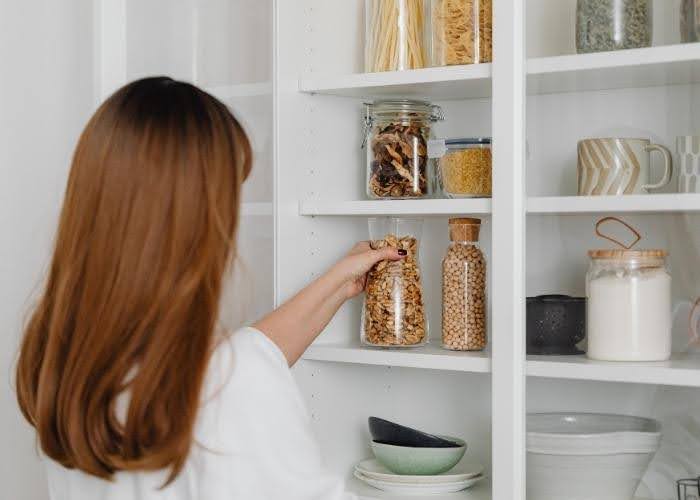
Personalization and Organization Go Hand in Hand
Kitchen organization tools are everywhere. Labeled bins, stackable containers, magnetic spice racks — the options are endless. But off-the-shelf solutions have an inherent limitation: they’re designed for everyone, which means they’re optimized for no one in particular.
Personalization changes that dynamic. When your containers, utensil holders, cutting boards, and storage jars reflect your specific pantry system, you’re far more likely to maintain it. Engraving takes this a step further by making labels and identifiers permanent, durable, and genuinely attractive. Scratched-off tape labels or smudged marker on masking tape are no match for a clean line engraved directly into wood, glass, or metal.
What Surfaces Work Best for Kitchen Engraving
One of the practical advantages of modern engraving tools is their versatility across materials. In a kitchen context, this opens up a surprisingly wide range of projects:
- Wood is perhaps the most forgiving surface for beginners. Wooden spoon handles, bamboo cutting boards, and raw wood spice boxes all take engravings cleanly and clearly. The contrast between engraved and unengraved wood is naturally high, making text easy to read at a glance.
- Glass and ceramic jars are another strong candidate. Pantry staples — flour, sugar, oats, coffee — stored in glass containers become infinitely more functional when permanently labeled. Unlike adhesive labels, engraved glass won’t peel, fade, or leave sticky residue after washing.
- Metal surfaces, including stainless steel containers and utensils, can also be engraved with the right tool settings. Metal engravings tend to have a more subtle, refined appearance, which suits a minimalist kitchen aesthetic particularly well.
Choosing the Right Engraving Kit for Kitchen Projects
Not all engraving tools are created equal, and kitchen projects have specific requirements worth considering before purchasing. Precision matters more than raw power for this type of work — you’re creating legible text and clean design elements, not carving deep grooves into hard materials.
Look for tools with adjustable speed settings, since different materials require different approaches. A lower speed works better for glass to avoid cracking, while wood can handle a faster, more confident pass. Ergonomics is also important. Kitchen labeling projects often involve repetitive strokes across multiple containers, so a comfortable grip reduces fatigue.
For those entirely new to engraving, beginner-friendly kits are worth prioritizing. Resparked’s crafting kits, available at resparked.com, and used by more than 650,000 people worldwide, are designed with zero-experience users in mind and support work across multiple surfaces. This makes them a practical starting point for kitchen organization projects.
Brands like Resparked have built their product lines specifically around accessible, approachable engraving for everyday creative projects, which aligns well with the kind of low-stakes, high-reward work that kitchen personalization represents.
Building a System: Where to Start
The most effective approach to a personalized pantry is to start with the containers you use daily and work outward. Here’s a practical sequence that keeps the project manageable:
- Start with dry goods. Flour, sugar, salt, baking soda — the items you reach for constantly and need to identify quickly. Glass or ceramic canisters labeled by engraving are both functional and visually cohesive.
- Move to spices. A uniform spice rack with engraved lids or jars transforms a chaotic drawer or cluttered shelf into something immediately more usable. Alphabetical organization with engraved labels makes cooking faster and reduces the mental friction of searching.
- Address tools and utensils. Wooden handles on spatulas, serving spoons, and tongs can be engraved with simple identifiers or even just decorative marks that make them feel intentional rather than generic.
- Consider drawer dividers and inserts. If your kitchen uses wooden drawer organizers, engraving category labels directly into the surface eliminates the need for separate labeling systems.
Design Tips for Clean, Readable Results
The technical execution of engraving matters, but so does design. A few principles go a long way toward professional-looking results:
Keep text simple and consistent. Choose one font style — whether that’s block lettering, all caps, or a simple script — and use it throughout your pantry system. Mixing styles creates visual noise rather than cohesion.
Test on scrap material first. Before engraving a glass jar you’ve had for years, practice the same text on a piece of similar material. This is especially important for curved surfaces, where maintaining even pressure requires a bit of practice.
Consider the layout before you engrave. Mark your intended placement lightly with a pencil or erasable marker to check proportions before committing. Centering labels vertically and horizontally on a container makes a significant visual difference.
Less is more with decorative elements. A simple border or small graphic accent can elevate a label without making it feel busy. When in doubt, plain, cleanly engraved text is more effective than an ornate design executed imprecisely.
Turning Organization Into a Long-Term Habit
The deeper value of a personalized pantry is both aesthetic and behavioral. When a kitchen system has been thoughtfully created and visually reinforced, it’s far easier to maintain. Returning items to labeled, designated spots becomes intuitive rather than effortful.
Engraving also has a compounding quality. A few engraved canisters naturally lead to a labeled spice rack, which in turn leads to engraved cutting boards, which lead to personalized utensils. Each addition reinforces the system and makes the whole kitchen more functional.
For anyone who has tried and abandoned conventional organization methods, the shift toward permanent, personalized labeling can represent a meaningful change. The investment is modest — a quality engraving kit and an afternoon — and the results are durable enough to outlast every paper label or erasable marker you’ve ever used.
Conclusion
A personalized pantry means creating an environment that reflects how you actually cook, what you actually store, and how you want your kitchen to function day-to-day. Engraving is simply one of the most direct and lasting ways to build that environment from the materials already at hand.