
Expanding access to care isn’t just a healthcare goal anymore. It’s a necessity that’s been forced onto the system by rising demand, staff shortages, and communities who’ve been overlooked too long. Traditional setups aren’t enough. Long waits, referrals that vanish into red tape, patients who give up and don’t come back — it’s all wearing thin. The solutions haven’t come easy, but nurses have been at the center of most of them. And while not everything has gone smoothly, progress is being made in real, sometimes messy, ways.
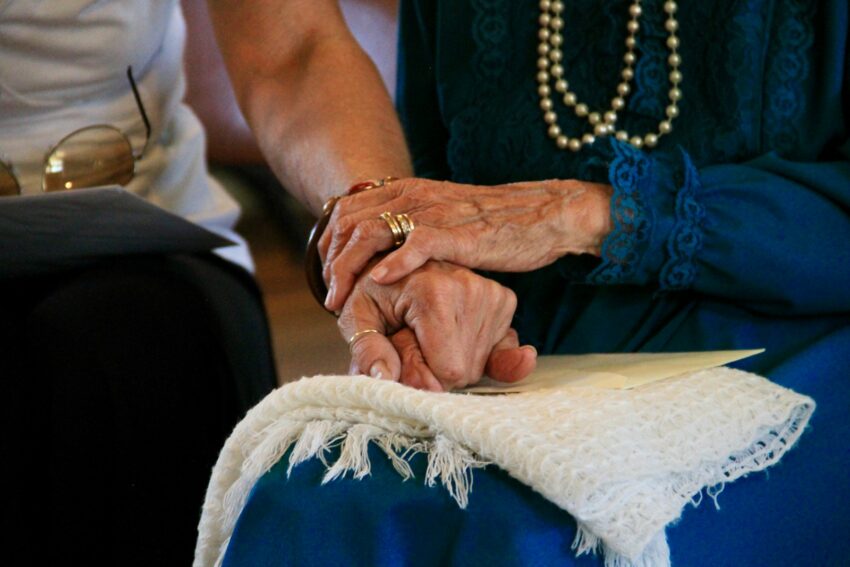
Mental Health Still Lags Behind
No part of the system is more underbuilt than mental health. The gap between demand and supply is huge — and growing. Therapists are booked out for months. Some counties don’t even have a psychiatrist. People with real, urgent needs get stuck waiting or dropped entirely.
This is where nursing has stepped in again. Psychiatric nurses and nurse practitioners are filling the space that’s been left empty for too long. And while the system still struggles, it’s improving in visible ways.
One option that’s helping is the psychiatric nurse practitioner online degree route. That model allows working nurses to gain advanced training without leaving their jobs. It’s practical. It’s built for people with kids, jobs, and chaotic shifts. And it puts more licensed professionals into areas that desperately need them. A nurse in a rural town can train from home, graduate, and stay in that same town — offering real mental health care where none existed before. It’s not flashy, but it works. That matters more.
Nurses Stepping into New Territory
Hospitals still run the show in many places, but the model is cracking. Clinics can’t handle the overflow. More people are turning to local health centers, community outreach teams, and pop-up care services. Nurses, often without clear instructions, are being pulled into leadership roles. They’re triaging more than symptoms. They’re managing logistics, follow-up, coordination. It’s hard. There’s burnout. But still, somehow, they’re doing it.
Some of these changes weren’t even planned — they just happened. A nurse sees a patient’s file that fell through the cracks and makes a call. That call prevents an ER visit. Multiply that by hundreds of moments like that, every week, and you start to see the shift. It’s not always coordinated. It’s not neat. But it works, more than it doesn’t.
New Care Models, Not Always Polished
The nurse-led clinic has become a fixture in some communities. These aren’t makeshift operations. They’re not backups. But they also didn’t come out fully formed. Some started with nothing but a borrowed room and a shared login to an outdated scheduling system. Mistakes were made. Patients were double-booked. Supplies ran out mid-week. But nobody quit.
Over time, systems improved. These clinics now run on relationships. Same nurse, same patient, month after month. That consistency helps. People show up. Their blood pressure stays controlled. Their medication doesn’t run out. There are still gaps — language barriers, insurance hurdles, tech problems. But these places are open, operating, and helping.
Team-Based Structures That Actually Work
One big shift is in how care is divided up. Nurses aren’t just supporting roles anymore. In many clinics, they’re calling the shots. They lead patient visits, set follow-ups, and make adjustments on the fly. It’s not always a clean process. There are arguments. Sometimes the communication fails, and tasks slip through. But overall, things get done quicker, and more patients get seen.
Doctors aren’t being pushed out — they’re just freed up. With nurses covering preventive care and chronic management, physicians can spend more time with high-complexity cases. When the system works, it’s efficient. When it doesn’t, it’s usually because people got stretched too thin. Still, even on the rough days, more gets done than used to.
Technology Isn’t a Cure, But It’s Helped
Early on, tech made things worse. The platforms didn’t talk to each other. Password resets were constant. Some nurses spent more time helping patients log in than delivering care. But the tools got better. Not perfect — far from it. But better.
Remote monitoring allows nurses to track symptoms in real time. If someone’s oxygen drops overnight, there’s a ping, and someone checks in. Virtual appointments have also taken off. Not all patients like it. Older folks sometimes hang up by mistake or stare at the wrong end of the phone. But the access it gives can’t be denied. Some people just wouldn’t get care otherwise. Now, they do.
Tech is still annoying. It crashes. It’s slow. But it has become part of the care model — and one that actually works for many teams, if not all.
Care in Homes and Streets
Another area of growth has been home-based care. Originally, it was seen as a patch — a temporary fix during the pandemic. But it stuck. Now, it’s a full model. Nurses go directly into people’s homes to monitor conditions, deliver treatments, and support recovery.
It’s not easy. Nurses carry everything with them, troubleshoot in real time, and deal with unpredictable situations. Dogs. Poor lighting. Distracted family members. But the work has impact. Fewer hospital readmissions. Better medication compliance. And stronger trust.
In urban settings, care happens on the streets too. Mobile clinics park near shelters and schools. Nurses see dozens of patients a day in tight, improvised spaces. Not everything goes as planned. Sometimes they run out of supplies. Other times, the van breaks down. But the people who need care the most are being seen.
Nothing’s Perfect, But It’s Working
These models aren’t perfect. They’ve been patched together over time. There’s a lot of improvisation, and things do go wrong. But the reach is expanding. More people are getting care. More nurses are stepping into roles they didn’t expect, but have grown into.
What’s really changed is the idea of where and how care should happen. It doesn’t have to come from the top down. It can come from nurses with practical knowledge, real-world experience, and the trust of their patients. The tools are still rough. The workflow still clunky. But the results? They’re there.
And maybe that’s what matters most: not how polished the model looks, but that it keeps moving forward — one imperfect, very human step at a time.