
Getting kids to trade their tablets for sunshine often feels like a negotiation where the odds are stacked against you. We all know the benefits of fresh air and physical movement, but the allure of video games and streaming shows is powerful. The secret to winning this battle isn’t just banning screens; it’s about making the backyard more exciting than the virtual world.
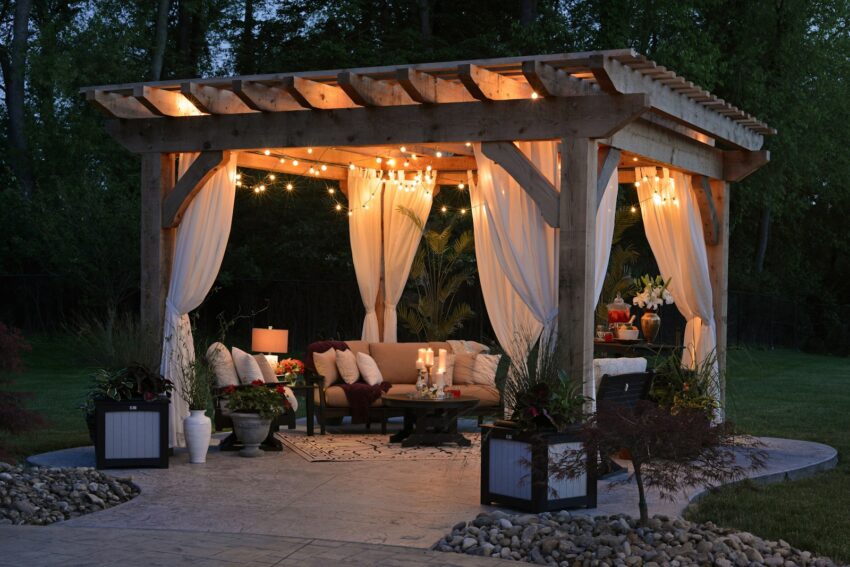
Creating an engaging outdoor environment doesn’t require a massive renovation or expensive playground equipment, much like how window washing in Eastvale helps maintain clarity and cleanliness in your home environment. With a little creativity and some simple household items, you can transform your yard into an adventure zone that sparks imagination and burns off energy. From sensory experiences to physical challenges, here are several ways to turn your outdoor space into the ultimate destination for active play.
Build a DIY Obstacle Course
One of the most effective ways to get kids moving is to challenge their agility and speed. A backyard obstacle course is infinitely customizable and can be built using things you likely already have in the garage.
Start by mapping out a route that involves different types of movement: crawling, jumping, balancing, and sprinting. You can use old pool noodles to create arches for crawling under, or lay them flat for jumping over. Hula hoops make excellent targets for hopping, while a sturdy plank of wood on the ground serves as a balance beam.
To make it more engaging, turn it into a timed challenge. Have your kids try to beat their own personal bests or race against a sibling. This not only builds physical coordination but also encourages perseverance. If you have older children, involve them in the design process. Let them decide where the “lava pit” (a red blanket) goes or how many jumping jacks they have to do at the finish line. This ownership over the activity makes them far more likely to engage with it for hours.
Create a Chalk Art Zone
Sidewalk chalk is a classic for a reason, but you can elevate it beyond simple doodles. Designate a specific area of the patio or driveway as the “Art Zone” where creativity has no boundaries.
Encourage your children to create interactive art. They can draw elaborate road maps for their toy cars, complete with stop signs, parking lots, and roundabouts. This type of play blends creativity with make-believe, keeping them occupied as they navigate their miniature cities.
For a more physical twist, grid games are a fantastic option. Beyond traditional hopscotch, you can draw a giant “Twister” board on the ground or create a target practice zone where they toss bean bags into numbered chalk circles to score points. The beauty of chalk is its impermanence; a quick spray with the hose resets the canvas for the next day’s masterpiece.
Establish a Dedicated Digging Spot
Many parents hesitate to encourage digging because they picture their manicured lawns being destroyed. However, dedicating a specific corner of the garden or a simple raised box for digging can satisfy a child’s natural urge to explore the earth without ruining your landscaping.
This “construction zone” provides rich sensory play. Equip the area with sturdy shovels, buckets, and even old kitchen ladles. Younger children love the texture of soil and the process of filling and dumping containers. For an added element of surprise, you can hide “treasures”—plastic dinosaurs, painted rocks, or “gold coins”—for them to excavate.
Digging is surprisingly hard work, engaging muscles in the arms and core that don’t always get used during standard play. Plus, connecting with nature by finding earthworms or planting a few tough seeds gives them a sense of stewardship over their little patch of land.
Cool Down with Creative Water Play
When the temperature rises, water is the ultimate motivator. You don’t need a swimming pool to facilitate hours of water play; a simple sprinkler or hose is often enough to create excitement.
Set up a “car wash” for their bikes, scooters, or ride-on toys. Give them buckets of soapy water and sponges, and let them scrub their vehicles before rinsing them off. It’s a productive activity that feels like pure fun. Alternatively, water balloon piñatas or a sponge relay race can encourage friendly competition.
For a calmer sensory experience, create water bins filled with different floating and sinking objects. This is particularly great for younger kids who are fascinated by cause and effect. Just remember that water play can make surfaces slippery, so choose grassy areas for high-energy running games to prevent falls.
Host Backyard Story Time
Active play is essential, but outdoor time also offers a perfect setting for relaxation. Creating a cozy reading nook under a tree or on the deck helps children associate nature with calmness and comfort.
Spread out a large waterproof blanket and pile it high with cushions. Bring out a basket of their favorite books and perhaps a few healthy snacks. The change of scenery can make reading feel like a special event rather than a homework chore. You can even encourage them to read aloud to nature or act out scenes from their books in the open space of the yard.
This downtime is crucial for recharging their batteries after running the obstacle course or digging for treasure. It allows them to listen to the birds, feel the breeze, and enjoy the slower pace of the outdoors.
Safety and Supervision: The Importance of Clear Visibility
While we want our kids to have freedom and independence in the backyard, supervision remains a top priority for safety. Parents can’t always be outside every single minute, especially when multitasking with household chores or working from home. This is where the setup of your home and the clarity of your view become vital tools for parenting.
Being able to glance out from the kitchen sink or the living room and clearly see what’s happening on the swing set or the patio provides peace of mind. It allows you to let them play “solo” while still maintaining a watchful eye. However, dust, hard water spots from sprinklers, and seasonal grime can obscure this view, making it difficult to supervise effectively from indoors.
Maintaining crystal-clear glass is about more than just curb appeal; it is a practical safety measure. For families wanting to ensure their lines of sight remain unobstructed, scheduling professional services can make a significant difference. Removing the haze of hard water stains and accumulated dirt ensures that you can spot potential hazards instantly, allowing you to relax while your children enjoy their outdoor freedom.
Conclusion
Transforming your backyard into a hub of activity doesn’t require a massive budget, just a willingness to think outside the box. By mixing high-energy activities like obstacle courses and water games with creative outlets like chalk art and digging zones, you provide a diverse range of options that compete with the pull of screens.
As you encourage this outdoor lifestyle, remember that your home environment supports this transition. Clear sightlines through clean windows allow you to supervise safely from a distance, giving kids the independence they crave and you the reassurance you need. So, set up the course, get out the buckets, and watch your backyard become the most popular room in the house.