
The vast world of tea can feel quite confusing for many newcomers. It is a real challenge to select the right leaves for a truly satisfying cup. Thankfully, one special tea provides the perfect entry point for your flavor journey.
Oolong tea gives you a uniquely balanced flavor that is perfect for beginners. It combines the fresh notes of green tea with the richer character of black tea. This makes it an ideal start for your wonderful new adventure into quality teas.
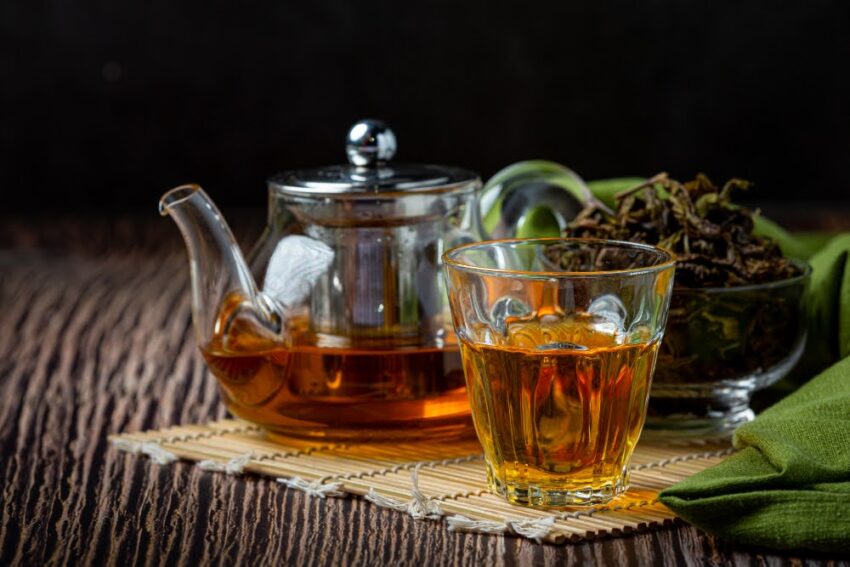
This guide will provide simple, clear directions to improve your tea experience. We will explore the secrets to choosing, brewing, and tasting this special tea. You will soon appreciate the fine and sophisticated art of oolong.
What is Oolong Tea?
Oolong tea is a semi-oxidized tea that sits between green and black varieties. It comes from the exact same plant, the wonderful Camellia sinensis. Every true tea in the world actually comes from this one plant.
The heritage of oolong tea is both rich and quite storied. It first came from famous tea-growing regions in China and Taiwan. These places are world-renowned for producing the highest quality leaves.
The secret to oolong’s character is its unique processing method. Tea masters control how much the leaves are exposed to oxygen. The oxidation can range from a light twenty to eighty percent.
As a result, the tea gets its special appearance and flavor profile. You will often see the leaves skillfully rolled into tight little balls. It has a floral aroma and a wonderfully smooth, natural taste.
Oolong, therefore, perfectly bridges the gap between green and black tea. It sits in the middle regarding its color and caffeine content. Its complex flavor is also beautifully balanced and very satisfying.
What Makes Oolong Tea Different from Other Teas
The main difference between teas is a process known as oxidation. This single step shapes the final character of every single tea. It defines the unique flavor, aroma, and color in your cup.
For example, green tea leaves are not oxidized at all. This specific method helps preserve their fresh and grassy qualities. Black tea, however, sits at the complete opposite end of the spectrum.
Black tea is allowed to oxidize fully for a deep, robust flavor. Oolong tea is where artisans use partial oxidation for amazing results. This craftsmanship creates a complex world of different tastes.
Due to this special handling, oolong’s flavor profile is incredibly diverse. Some are light and floral, like a delicate green tea. Others, like a roasted dong ding oolong, can be dark and nutty, similar to a black tea.
The balance of oolong extends beyond just its unique flavor. Its caffeine level also sits comfortably in the middle. It offers a smooth and balanced energy lift for you to enjoy.
Choosing the Right Loose-Leaf Oolong Tea for You
That incredible diversity is what makes oolong tea so exciting to explore. With such a wide spectrum of flavors, a perfect oolong is waiting for you. Let this guide help you discover the ideal match for your personal taste. We can start your journey by exploring a few wonderful recommendations.
For the Beginner: Light and Welcoming Oolongs
If you are just starting, a lighter oolong is the perfect introduction. These teas are gently oxidized, which creates a very smooth and sweet flavor. They are not bitter and offer a truly delightful first experience. Their gentle nature makes them very easy to appreciate.
A Taiwanese High Mountain Oolong is an excellent choice for any newcomer. It grows at high elevations, which makes the leaves incredibly soft. This tea has a crisp, floral taste that is both refreshing and clean. It provides a wonderful entry into the world of fine oolong tea.
You could also try a famous Jin Xuan, also known as Milk Oolong. This special tea has a naturally creamy and buttery flavor profile. Its sweet, inviting aroma is a favorite among many new tea drinkers. It feels like a very comforting and luxurious cup of tea.
For the Aroma Lover: Floral and Fragrant Oolongs
Perhaps you truly enjoy a tea with a beautiful, captivating scent. Certain oolongs are crafted specifically to highlight their amazing floral aromas. These teas can fill a room with their lovely and delicate fragrance. They offer a complete sensory experience for you.
The most famous aromatic oolong is Tie Guan Yin. Its name translates to the Iron Goddess of Mercy. This legendary tea from China has a mesmerizing orchid-like fragrance. The aroma is just as important and enjoyable as the tea’s actual taste.
For the Bold Drinker: Roasted and Rich Oolongs
Some tea drinkers prefer a much richer and deeper flavor profile. If you enjoy coffee or black tea, a darker oolong is for you. These teas are roasted with great care to bring out their warm notes. They provide a very cozy and full-bodied cup of tea.
For this style, you should try a Dong Ding from Lugu, Taiwan. This traditional oolong has a wonderful toasted and nutty character. It has a complex taste with hints of honey and fruit. It leaves a long, satisfying finish that is truly memorable.
How to Brew Oolong Tea the Right Way
Now that you have selected your perfect loose-leaf oolong, you are ready to enjoy it. Brewing it the right way is simple and unlocks the amazing taste. This mini-guide will walk you through four essential steps for the perfect cup.
1. Gather Your Brewing Equipment
First, you will need the right teaware for the job. A simple ceramic teapot is an excellent choice. Ceramic holds heat very well, which ensures a consistent brew. It allows the tea leaves to infuse evenly for a balanced taste.
For a more traditional experience, you can use a gaiwan. This is a special lidded bowl designed for brewing. A gaiwan allows you to appreciate the rich aroma from the lid. It offers a more hands-on and sensory brewing ritual.
2. Measure Leaves and Heat Your Water
Next, you should measure your tea leaves. A good starting point is one teaspoon for every six ounces of water. For the best flavor, always use fresh, filtered water. Poor water quality can easily spoil the taste of a great tea.
You must also heat your water to the correct temperature. The ideal range for oolong is between 185°F and 205°F. Use lower temperatures for lighter, greener oolongs. Use hotter water for darker, roasted oolong varieties.
3. Perform the First Infusion
Now you are ready for the first, quick infusion. Pour the hot water directly over the oolong leaves. Let them steep for a very short time, around forty-five to sixty seconds. This important first step awakens the tightly rolled leaves and allows them to unfurl.
You should pay close attention to the beautiful aroma at this stage. The fragrance will tell you when the tea is ready. You might notice a wonderful and sweet floral aroma with lighter oolongs. Darker oolongs will release a comforting roasted nuttiness.
4. Enjoy Multiple Steeps for New Flavors
One of oolong’s best qualities is that you can re-steep the leaves. Because the leaves unfurl slowly, they release their flavor in layers. Do not discard your valuable leaves after just one cup. You can enjoy many infusions from a single serving.
For the second and third steps, you should add more time. A good rule is to add fifteen seconds to each new infusion. You will discover how the flavor profile evolves with each steep. Experimenting with your tea is part of the fun.
How Oolong Tea Benefits the Body and Mind
The ritual of brewing a perfect cup is wonderfully rewarding. The enjoyment of oolong tea, however, goes far beyond its amazing flavor. It also offers some gentle and supportive advantages for both your body and your mind.
Here are a few ways it can enhance your daily wellness:
- Supports a healthy metabolism: Oolong tea contains special antioxidants that are known as polyphenols. These natural compounds can help to gently support your body’s ability to process energy efficiently throughout the day.
- Promotes a calm, clear focus: This tea contains a unique amino acid called L-theanine. It works together with the moderate caffeine content. This provides a smooth mental lift without any of the nervous jitters that are associated with coffee.
- Aids with comfortable digestion: A warm cup of oolong tea can be very soothing after a large meal. Its gentle, alkaline properties may help to calm your stomach. It can also support a healthy gut balance.
- Offers a sense of peaceful energy: The unique combination of L-theanine and caffeine promotes mindful alertness. It can help you feel relaxed and present in the moment. This makes it a perfect afternoon tea for quiet contemplation.
How to Store and Care for Your Oolong Tea
To continue enjoying those wonderful benefits, you must protect your tea. Proper storage is the key to preserving its complex flavor and rich aroma. Your delicate loose-leaf oolong will stay fresh and vibrant with just a little care.
- The most important rule is to use a completely airtight container. A specialty storage tin is ideal, as it protects the leaves from oxygen that makes them stale.
- Always keep your container in a cool, dark, and dry place, like a cabinet. Direct sunlight and heat will quickly degrade the tea’s delicate quality and flavor.
- Tea leaves are very absorbent and will take on other strong aromas. You must store them far from your spice rack or coffee to protect their pure, natural taste.
- You should avoid storing tea in the refrigerator or the freezer. The moisture and condensation in these environments can easily ruin the fragile leaves.
- With proper care, your oolong can remain fresh for about two years. A securely sealed container is essential to guarantee every cup will be vibrant and delicious.
Frequently Asked Questions
It is perfectly normal to have questions as you start this new tea journey. Here are simple, clear answers to some of the most common ones.
Does oolong tea have caffeine?
Yes, all true teas contain some caffeine. Oolong’s caffeine level usually sits right between green and black tea. The exact amount will depend on the specific tea variety and how you decide to brew it.
How many times can I steep oolong leaves?
High-quality oolong leaves are famous for their multiple infusions. You can often steep them from three to five times. With each new steep, you will discover a different layer of the tea’s complex flavor.
Can I drink oolong tea every day?
Yes, enjoying oolong tea daily is perfectly fine for most people. It can be a very wonderful part of a healthy daily routine. You should just be mindful of your own personal caffeine sensitivity.
What makes Taiwanese oolong so special?
Taiwan is famous for its High Mountain oolongs. The unique climate and high elevations produce incredibly fragrant and smooth leaves. Exceptional local craftsmanship also contributes to their world-renowned quality and amazing taste.
Is oolong tea supposed to be bitter?
A properly brewed oolong tea should never taste bitter. If your tea is bitter, the water was likely too hot, or you steeped it for too long. Good oolong has a wonderfully smooth and naturally sweet finish.
Start Your Journey with Better Oolong
The vast and flavorful world of oolong is now truly open to you. It offers more than just a simple beverage. It is an invitation to slow down and explore all of your senses.
With every new cup, take a moment to notice the captivating aroma. Watch as the tightly rolled leaves gracefully unfurl in the warm water. You will soon discover that each sip connects you to its distant mountain origin. You are not just making tea; you are taking part in a beautiful and ancient craft.