
Introduction
In a world dominated by technology and instant entertainment, nurturing creativity in children has become more important than ever. While gadgets and games provide amusement, few activities offer the developmental and emotional benefits of traditional coloring. Coloring pages are more than just a pastime — they are a gateway to self-expression, learning, and imagination. Whether at home or in school, coloring helps children develop essential cognitive and motor skills, boosts their confidence, and provides a healthy outlet for emotions. This simple yet powerful activity continues to be one of the best tools for fostering creativity in young minds.
The Power of Coloring in Early Childhood Development
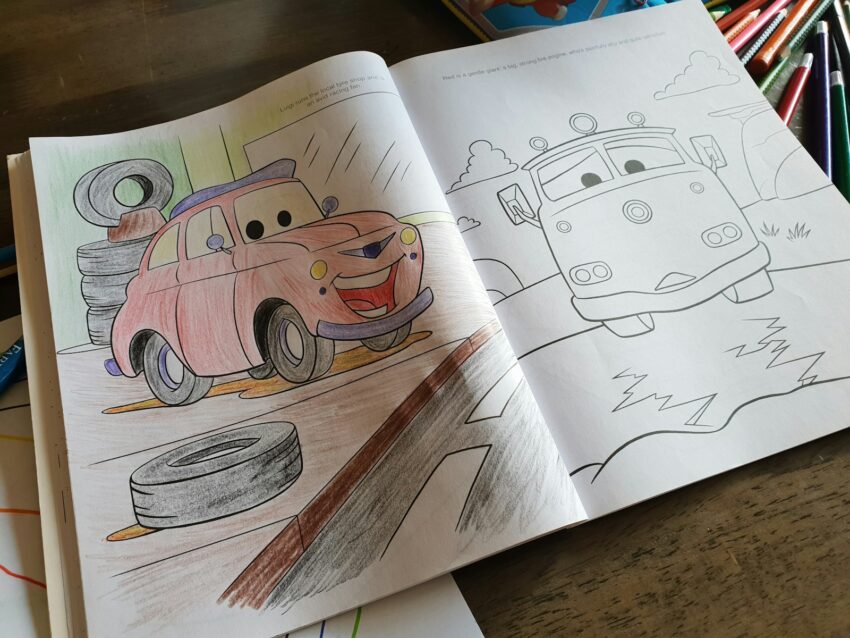
Coloring might seem like a basic activity, but it plays a crucial role in shaping a child’s foundational skills. When kids pick up crayons or colored pencils to fill in shapes and images on a Coloring website, they are engaging in a form of structured creativity that promotes focus and patience. Through coloring, children improve their hand-eye coordination, strengthen fine motor skills, and learn about color recognition and spatial awareness.
Beyond physical development, coloring also enhances emotional intelligence. It gives kids a sense of accomplishment when they complete a picture and encourages them to express feelings through colors. For example, a child might use bright shades to show happiness or darker tones to express calmness. This emotional connection helps them understand and communicate their inner world more effectively. Moreover, educational coloring pages — featuring numbers, letters, and animals — introduce learning in a fun, non-pressured environment that keeps children motivated.
Building Concentration and Mindfulness Through Art
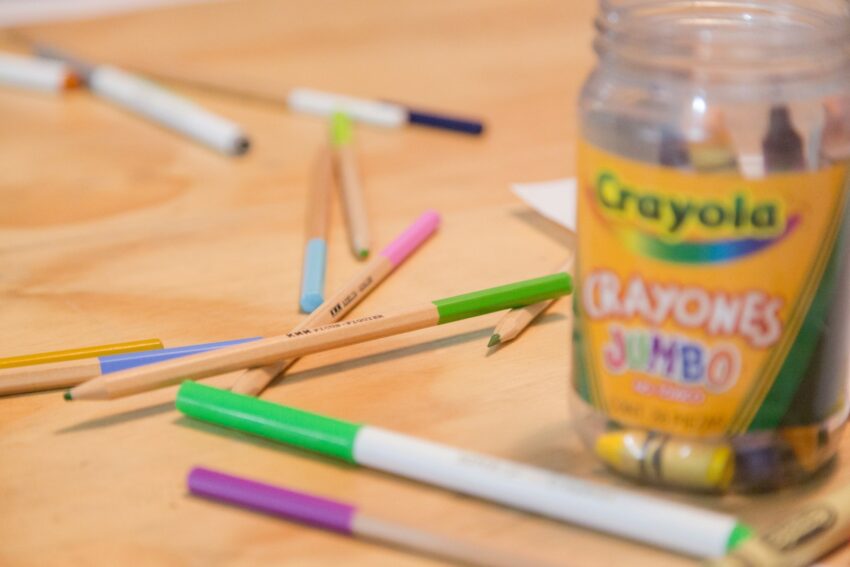
In a fast-paced digital age, maintaining focus is a challenge even for adults, let alone children. Coloring offers a unique way to develop mindfulness in young learners. When a child colors within the lines, they are practicing control, concentration, and persistence. This activity encourages them to stay engaged for longer periods, gradually strengthening their attention span.
Coloring also promotes relaxation. The repetitive motion of coloring patterns can have a meditative effect, helping children reduce anxiety and feel calm. Teachers and parents often notice that children who color regularly exhibit improved behavior and emotional stability. For kids who are easily distracted, daily coloring time can serve as a structured and peaceful part of their routine — a moment to slow down, reflect, and focus solely on the creative process.
Encouraging Imagination and Storytelling Through Coloring
Every blank page holds the potential for a new story. When children color pictures of animals, fairies, cars, or superheroes, they are not just filling spaces — they are engaging in imaginative storytelling. A picture of a jungle scene can spark ideas about wildlife adventures, while a space-themed coloring page can lead to questions about planets and galaxies.
This link between coloring and imagination is why educators often incorporate coloring activities into early learning curriculums. When children choose colors, mix shades, and add personal touches, they are exercising creative decision-making. It’s not uncommon for kids to invent entire stories around the images they color — giving names to characters, imagining settings, and describing events. Such creative thinking lays the groundwork for stronger writing and communication skills later in life.
Exploring All Different Kind of Drawing Collections for Kids
The variety of available coloring pages today is simply astonishing. From classic outlines of animals and flowers to intricate mandalas and cartoon characters, children have access to all different kind of drawing collections that suit their interests and age levels. This diversity ensures that every child finds something they love — whether it’s dinosaurs, princesses, cars, or alphabet coloring pages.
Thematic collections also allow parents and educators to integrate learning with play. For example, coloring pages focused on holidays like Christmas or Halloween teach children about cultural traditions, while alphabet and number sheets reinforce academic knowledge. Animal collections introduce kids to wildlife and habitats, sparking curiosity about nature and science. Similarly, fantasy-themed drawings inspire creative storytelling and role-play. With online platforms offering instant access to printable pages, parents can easily tailor activities to suit any mood or occasion — making learning colorful and enjoyable.
The Role of Technology in Modern Coloring Activities
Technology has brought a new dimension to the world of coloring. Digital platforms and apps now offer children the chance to color online using touchscreens, styluses, and even virtual reality tools. While traditional coloring books remain beloved, digital coloring introduces convenience and innovation.
Online coloring websites often include interactive features like undo buttons, diverse palettes, and animation effects, encouraging experimentation without the fear of mistakes. For parents, these tools are beneficial because they combine creativity with tech literacy — an essential skill in today’s world. Many of these digital coloring spaces are designed with educational elements too, guiding children to learn numbers, shapes, and patterns as they color. This fusion of creativity and technology ensures that coloring remains relevant and exciting in the digital age.
Making Coloring a Family Activity
Coloring is not just for kids — it’s an activity that brings families together. When parents sit down to color alongside their children, it creates bonding moments that foster communication and trust. These shared experiences can open the door to meaningful conversations, especially for younger children who might struggle to express their thoughts verbally.
Additionally, coloring together provides an opportunity for parents to model creativity and patience. It shows children that artistic expression is valuable at any age. Family coloring sessions can also become traditions — for instance, coloring holiday-themed pages during special occasions or creating personalized family art walls. The sense of connection and collaboration derived from these moments is priceless, reinforcing that creativity is best when shared.
Conclusion
Coloring may appear to be a simple childhood pastime, but its benefits are far-reaching. From enhancing motor skills and focus to nurturing imagination and emotional well-being, this activity supports a child’s overall development in multiple ways. In today’s digital world, a mix of traditional and online coloring activities keeps creativity alive and accessible to all.
Websites dedicated to kids’ coloring pages offer an endless source of fun and learning, providing parents and educators with tools to inspire children in meaningful ways. By encouraging regular coloring — whether through printable pages or interactive digital platforms — we can help young artists explore their creativity, express their feelings, and develop lifelong skills. Coloring, after all, is more than art; it’s an essential building block for growth, confidence, and joyful learning.